
The Reading · Analog-Horror Immersive Sim
Ravenous Static
Dead Channel Works wires an immersive sim into a dying VHS signal, and the result is the most physically unnerving release on the slate.
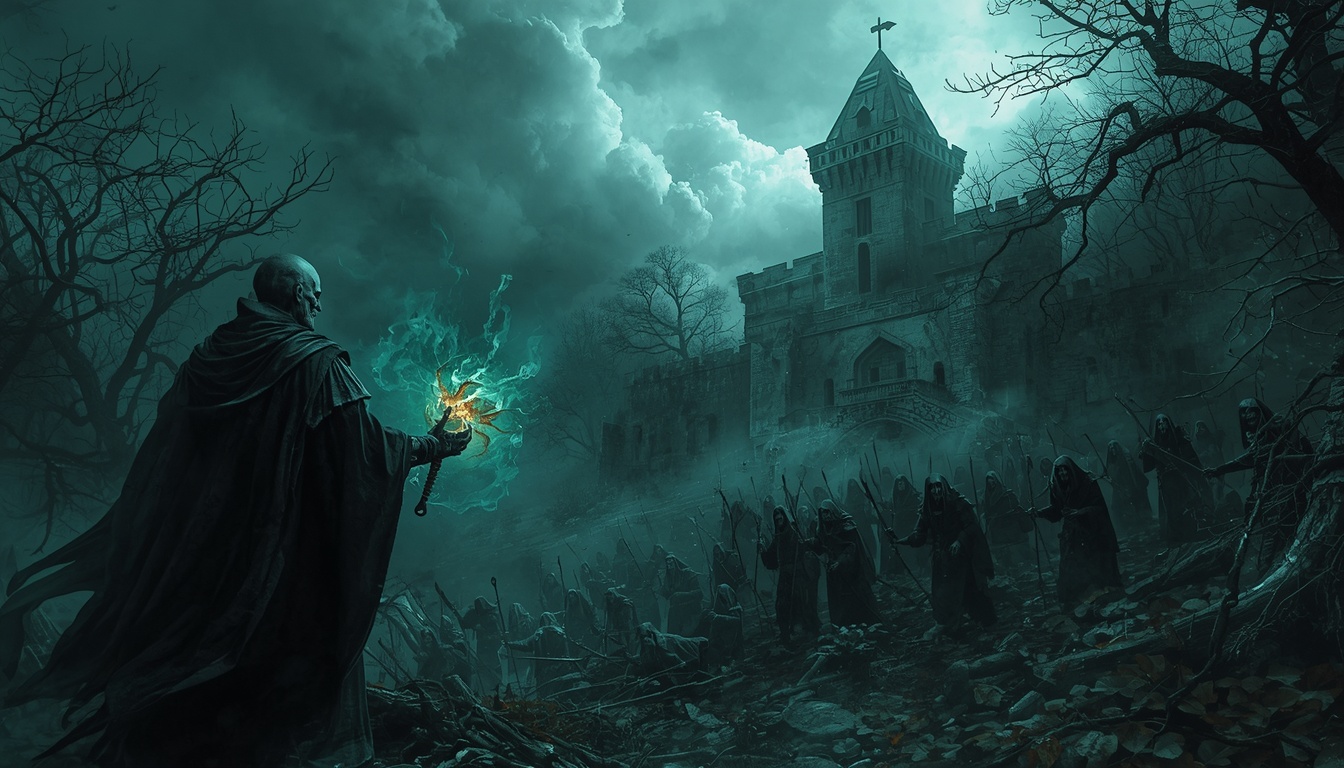
The Epicenter
Premise & lore
Ravenous Static is set entirely inside Hollow Substation 9, a Cold-War-era research bunker that was studying signal as a living thing when its containment failed. You play an unnamed maintenance technician sealed inside as the structure begins a slow structural collapse. The conceit — and it is executed with frightening discipline — is that the horror is transmitted rather than embodied. Every threat in the bunker exists first as interference: a smear of scan-lines across your visor, a voice bleeding through a dead intercom, a corridor that the map insists is twelve metres long but takes ninety seconds to cross. The lore is delivered through degraded tapes you must physically rewind, and the act of seeking information is itself the act that lets the static in.
The Fault Lines
Mechanics
Mechanically this is a true immersive sim: systemic, reactive, and merciless about consequences. Light, sound, and signal are the three resources you manage, and they trade against each other constantly. A flashlight reveals the room but broadcasts your position to anything tuned to light. The bunker is a single continuous space with no loading curtains, and its systems — power grid, ventilation, the failing structural braces — can each be sabotaged or shored up, with the building remembering every choice. There is no combat in the conventional sense; survival is a problem of routing yourself through a space that is actively rewriting its own floor plan.

The Surface Reading
Audiovisual matrix
The audiovisual matrix is a masterclass in restraint and rot. Dead Channel Works built a custom degradation shader that makes the image feel transmitted rather than rendered, and they have the confidence to let whole scenes play out in near-silence so that a single burst of carrier hiss lands like a gunshot. Headphones are not optional. The bunker is lit almost entirely by failing fixtures, and the colour red is rationed so carefully that when it finally floods a corridor, your body reacts before your brain does.
The Aftershock
Performance diagnostic & longevity
For a game this systemically dense the technical diagnostic is remarkably clean — long sessions are stable, and the seamless space holds together without the stutter that usually haunts no-load designs. Longevity is unusual: the eight-hour spine is short by genre standards, but the systemic permutations and a brutal permadeath "Carrier" mode give it a long tail for players who want to master the building rather than merely survive it.
The Magnitude
9.1/ 10.0Continental Shift
Foundation Integrity
9.4
Aftershock Duration
8.3
Surface Fidelity
10.0
Resonance Depth
9.5
The verdict
Ravenous Static is the rare horror game that frightens you with architecture and information instead of monsters. It is a Continental Shift — a release that resets what the immersive-sim form is allowed to do, and the high-water mark of this entire publication cycle.