
The Reading · City-Builder Strategy
Tectonica
Mantle Foundry builds a city-management game on ground that refuses to hold still, and somehow the chaos reads as architecture rather than punishment.
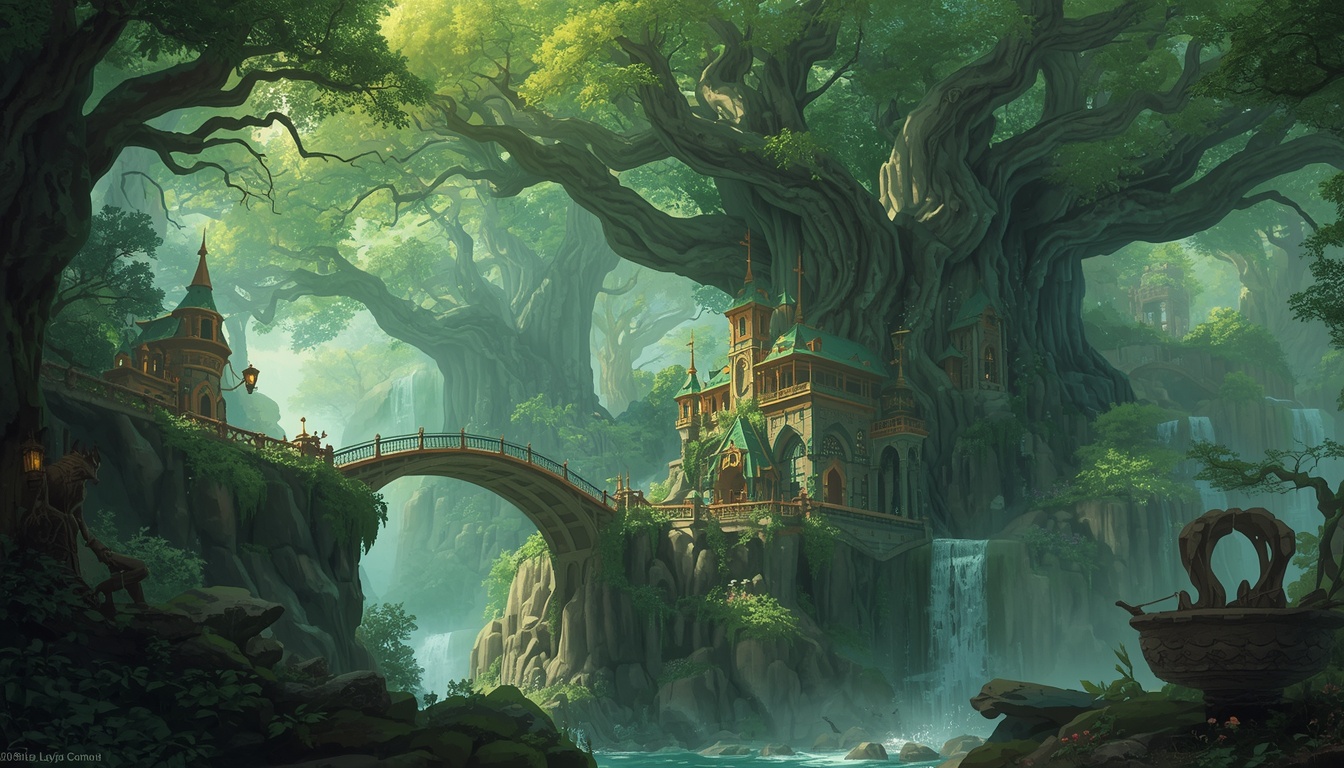
The Epicenter
Premise & lore
Tectonica drops you onto Calderis, a continent that does not sit beneath your settlements so much as negotiate with them. Every fourteen in-game days the landmass re-shears along its fault network: districts you laid down on stable bedrock wake up straddling a fresh chasm, aqueducts bend, and a granary that fed four thousand citizens is suddenly cut off by a half-kilometre drop. The lore frames this as the legacy of the Sundering Engines, ancient machines the first settlers used to terraform a dead world and never learned to switch off. Mantle Foundry resists the obvious apocalypse story. Calderis is not dying; it is restless, and the campaign is a centuries-long argument about whether a people should fight a living land or learn its rhythm.
The Fault Lines
Mechanics
The core loop is zoning under uncertainty. You never build for the map you have — you build for the map the seismograph predicts you will have in two cycles. A district planner overlays projected fault lines as translucent amber seams, and the entire economy hangs on how much you trust them. Bridges are not decoration; they are the most valuable structures in the game, and the bridge-tech tree is deep enough to carry a forty-hour campaign on its own. Resource hauling, citizen morale, and a genuinely clever "stress ledger" that tracks how often you have relocated each family combine into a builder that punishes hoarding and rewards adaptable, modular planning.

The Surface Reading
Audiovisual matrix
The audiovisual matrix is the quiet triumph. Tectonica renders at a painterly distance — your city is a glowing organism of bridges and lantern-lit terraces — yet zooms to street level without seams. The score breathes with the land: low sub-bass swells telegraph an incoming shear minutes before the ground moves, so the music is also a warning system. Colour is used as wayfinding, each province washed in a single identity hue, and the interface never clutters the sky.
The Aftershock
Performance diagnostic & longevity
Performance is the one place the structure flexes under load. On mid-range hardware a fully built late-game continent introduces frame dips during the shear animation — the exact moment you least want them. Mantle Foundry has patched the worst of it, and the longevity is enormous: procedural fault seeds mean no two continents break the same way, and the endless mode is a genuine reason to keep the install folder. This is a builder you will still be loading a year out.
The Magnitude
8.6/ 10.0Region-Defining
Foundation Integrity
7.6
Aftershock Duration
7.4
Surface Fidelity
8.5
Resonance Depth
8.4
The verdict
Tectonica turns instability into a design language. It asks you to stop fearing the ground and start composing with it, and the result is one of the most quietly radical strategy releases in years — a Region-Defining tremor that other city-builders will be measuring themselves against.